Thursday, December 12th, 2024. 3 PM.
I'm sitting at my desk, staring at a quote from a CNC precision milling wholesaler in my inbox. The price is 35% lower than what we usually pay. My PM is standing behind me, practically vibrating: 'We need 50 parts, we need them in 9 days, and the client's already pissed.'
The project is a custom part for a laser welding machine jewellery fixture—an intricate piece with tolerances that make a Swiss watchmaker nervous. The low-cost vendor is unproven. The usual vendor is reliable but expensive and slightly slower on rush orders.
I went back and forth for an hour. The established vendor offered reliability—they've never missed a deadline in 3 years. The new one offered 35% savings and promised a 7-day turnaround. On paper, the new vendor won. But my gut said otherwise.
In the end, my PM convinced me. The project budget was already bloated. We went with the cheaper option.
"That $1,200 savings turned into a $3,800 problem eight days later."
The First Red Flag
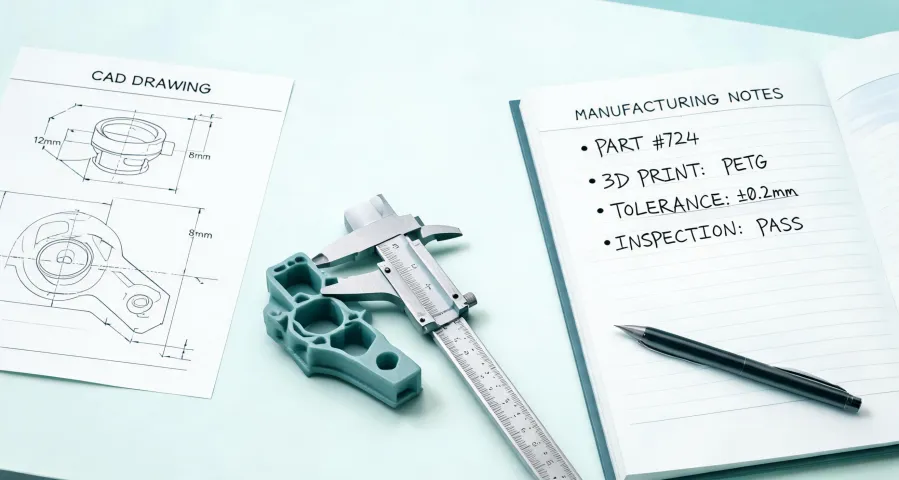
Day 3. We received the first sample photo. The part's edge finish looked... off. Not terrible—not garbage—but not right for a jewellery fixture. The reamer hole for the main insert was 0.002 inches oversized. A human hair is about 0.003 inches. It's not a catastrophic error, but in precision work, it's a failure.
I call the vendor. 'We can fix it,' they say. 'Give us 2 more days.'
We have 6 days. F*ck.
This is where things get interesting. We can either:
- Option A: Wait for the fix from the cheap vendor (risk: timeline slips, quality still questionable)
- Option B: Scrap this order, pay our usual vendor rush fees, and pray they can deliver in 5 days
I vote B. My PM votes A. We argue. He's worried about explaining the budget overrun to his boss. I'm worried about delivering garbage to a client who will never order again.
We split the difference. We wait 2 days.
A Friday Night Surprise
Day 5. Friday, 6 PM. The revised parts arrive. First inspection: 3 out of 50 parts are scrapped. The rest? The finish is still not spec. The reamer holes are all slightly off: some undersized, some oversized. Consistency doesn't exist.
I remember this one line from a post about fictiv manufacturing on a forum: 'In my experience, the cost of a rush fix on a bad part always exceeds the savings from choosing the wrong vendor.' Never was that truer than right now.
We're past the point of fixing. We need a Hail Mary.
I call our usual CNC shop owner at 7 PM on a Friday. This is gonna hurt. 'Can you quote a rush order?' I ask. '50 parts, same spec, delivery by Wednesday?'
Silence. Then a sigh. 'It's doable. But it's gonna cost you.'
The Price of Panic
The quote comes in 30 minutes later: $5,200. For context, our original quote from the cheap vendor was $2,800. Our usual vendor's normal price for this part is around $4,000. The rush premium? $1,200.
Let me run the math for you:
| Cheap vendor quote | $2,800 |
| Amount paid to cheap vendor (they kept it, we got junk) | $2,800 |
| Rush order from usual vendor | $5,200 |
| Shipping (overnight, Saturday pickup) | $480 |
| Inspection rework on 47 salvaged parts | $600 |
| Total spent | $9,080 |
The original plan would've cost $4,000 if we'd just gone with the reliable vendor on a standard timeline. We ended up paying more than double. That 'savings' of $1,200? It cost us $5,080 in real terms.
To be fair, I get why people go with the cheapest option. Budgets are real. PMs need to hit their numbers. But the hidden costs add up—and they compound when a deadline looms.
The Lesson
The parts arrived Wednesday at 10 AM. They were perfect. The client was satisfied—barely. We lost a weekend, gained a significant cost overrun, and learned a lesson I'd already taught myself twice before.
In my role coordinating custom manufacturing for engineering teams, I've handled roughly 200 rush orders over 5 years. Here's what I've learned: the cheap vendor almost never works for tight-tolerance, deadline-critical work. Not because they're incompetent, but because their systems aren't set up for precision under pressure. They optimize for low cost, not for reliability.
At fictiv, I've seen their platform handle this kind of challenge differently. The digital quoting and quality tracking would have caught those reamer tolerances before parts were shipped. But I'm not here to pitch. I'm here to tell you: when you're in a rush, don't let panic drive you into the arms of the lowest bidder. It's almost never the bargain it seems.
The best part of finally getting our vendor process systematized after this disaster? No more 3 AM worry sessions about whether the order will show up correct. We now have a policy: for any project under a 10-day turnaround, we use only pre-qualified vendors with confirmed rush capability. It's a simple rule, but it works.
Pricing as of January 2025; verify current rates with your vendors.