Prototype only what helps the decision, then choose the next process deliberately.
Responsible custom manufacturing starts before the machine runs. A team that orders the wrong material, the wrong finish, or the wrong process may waste more than money; it loses schedule, engineering attention, and parts that never needed to exist. Fictivus helps buyers reduce that waste by clarifying intent before production release.
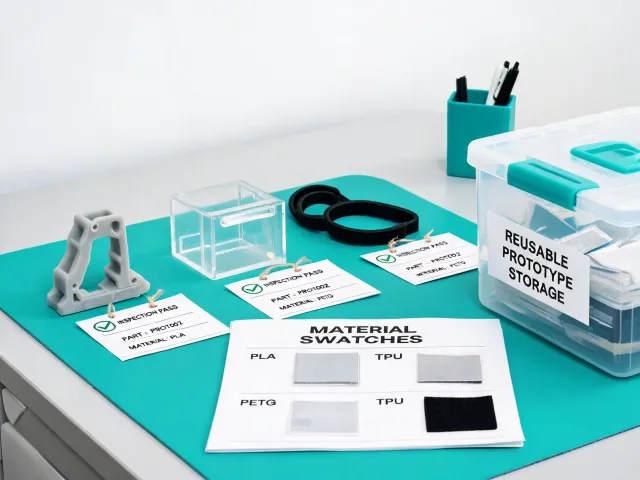
Less rework begins with a better first question.
A buyer might ask for the fastest print, but the project may really need the cheapest learning model. Another buyer might ask for a premium finish, when the team only needs a fixture that survives one lab test. Sustainability in a custom manufacturing context is often this practical: choose the process that matches the job, not the process that sounds most advanced.
"The cleanest part is the one that teaches the team enough to avoid the next unnecessary build."
Fictivus encourages requests that include the part's purpose, revision status, expected life, and acceptance criteria. Those details make it easier to recommend additive routes, batch quantities, and packaging expectations that fit the actual decision. The same habit supports budget control, supplier capacity planning, and clearer communication with internal stakeholders.
Small choices that reduce avoidable waste.
Responsible production is visible in the workbench details.
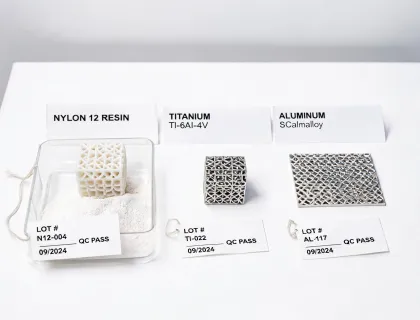
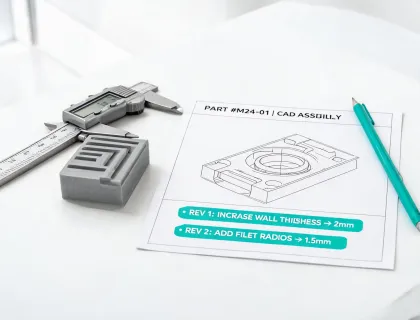
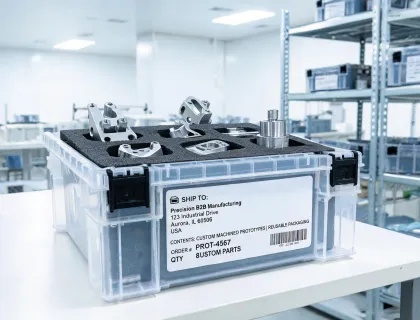
Tell us what the prototype is supposed to prove.
We can help separate learning builds from production-intent parts before material, finish, and inspection choices are locked.