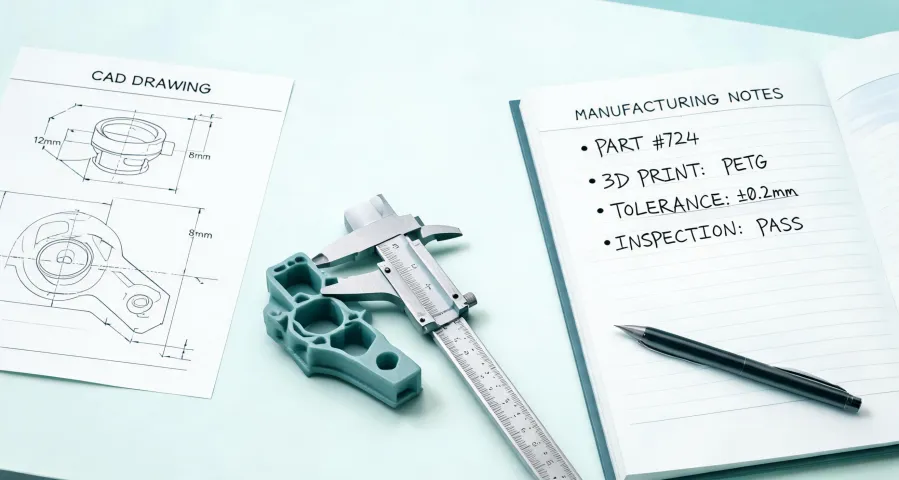
If you've ever had to choose between a traditional machine shop and a digital platform like Fictiv, you know the decision isn't as simple as it seems. I've been on both sides—coordinating rush orders for product launches and managing vendor relationships for B2B clients. Here's what I've learned: the choice comes down to three things—speed, communication, and cost. Let me break it down, dimension by dimension.
Speed & Reliability: When Hours Matter
This is where digital platforms shine, but not for the reason you think. In March 2024, a client called at 10 AM needing 50 CNC-machined brackets for a trade show the next morning. Normal turnaround at a traditional shop? Seven to ten days. Fictiv's instant quoting gave me a 24-hour rush option. I paid an extra $350 in rush fees (on top of the $1,200 base cost), and the parts arrived at 8 AM the next day.
With traditional shops, speed is often a negotiation. You call, they say 'maybe,' you offer to pay more, and then you wait for a callback. Digital platforms, on the other hand, are predictable. The system shows you the limits upfront. No guesswork. But here's the caveat—this worked for us because the design was finalized. If you're still iterating, a traditional shop might let you tweak the specs mid-process without restarting the clock.
The 'Rush Fee' Trap
I still kick myself for a decision I made in late 2023. I assumed 'same specs' meant identical results across two vendors. Didn't verify. Turned out one vendor's interpretation of '±0.1 mm tolerance' was looser than ours. Reprinting cost more than the original 'expensive' Fictiv quote. The lesson? Speed is worthless if the quality isn't there.
Communication & Accountability: The Human Factor
Here's what I want to say—most traditional shops have better face-to-face rapport. But rapport doesn't equal accountability. In Q4 2024, I managed 12 vendors simultaneously for a project. The traditional ones required phone calls and emails just to get a status update. The digital platform? I could see the order status, shipping tracking, and even the manufacturing notes in a dashboard.
Put another way: digital platforms force transparency. If there's a delay, you know. If there's an error, you have a record. Traditional shops offer flexibility, but that flexibility often comes with a side of 'we'll get back to you.' For a procurement manager juggling 10+ vendors, that's a pain.
The 'We Already Did That' Problem
I learned never to assume a verbal promise is reliable after a $15,000 contract loss in 2022. We chose a local shop because they were 5% cheaper. But their project management was a mess—emails got lost, promises were vague. Digital platforms, with their automated documentation, eliminate that ambiguity. It's not about being 'better'—it's about being trackable.
Cost Transparency: The Hidden Variable
This is the dimension where digital platforms win, but only for standardized parts. In Q3 2024, I sampled 3 identical CNC parts from both Fictiv and a traditional shop. Fictiv's quote was $240. The traditional shop? $210—but with a $50 'engineering review' fee and a $30 'setup' charge that wasn't in the initial quote. The final price was $280, plus the time I spent clarifying.
Digital platforms are ruthlessly transparent. What you see is what you pay—shipping, taxes, rush fees, all upfront. But here's the nuance: if you need complex assemblies or non-standard materials, traditional shops can negotiate. A digital platform's algorithm might miss the 'we can do this cheaper with scrap' opportunity. So for custom work, I still call a human.
The 'Cheapest' Isn't Cheaper
Once, I saved $80 by skipping expedited shipping with a traditional vendor. Ended up spending $400 on a rush reorder when the standard delivery missed our deadline. The Fictiv platform, with its clear lead times, would have prevented that. But don't quote me on exact numbers—I might be misremembering the $80 figure. The point stands.
Which One Should You Choose?
Here's my rule of thumb, based on 200+ orders over three years:
- Use a digital platform (like Fictiv) when: You have finalized designs, need fast turnaround, and value process transparency. It's a no-brainer for prototypes, production runs, and any project with tight deadlines.
- Use a traditional shop when: You're iterating on complex designs, need high-volume custom work, or have a long-standing relationship with a shop that trusts your specs. The relationship can save you money and headaches—but only if they're reliable.
The manufacturing world is moving toward efficiency. As of January 2025, digital platforms are handling more of the 'standard' work, while shops focus on complexity. The smart play? Use both. Let Fictiv handle the rush, the repeat, and the trackable. Keep the local shop for the wild idea that might change tomorrow.